

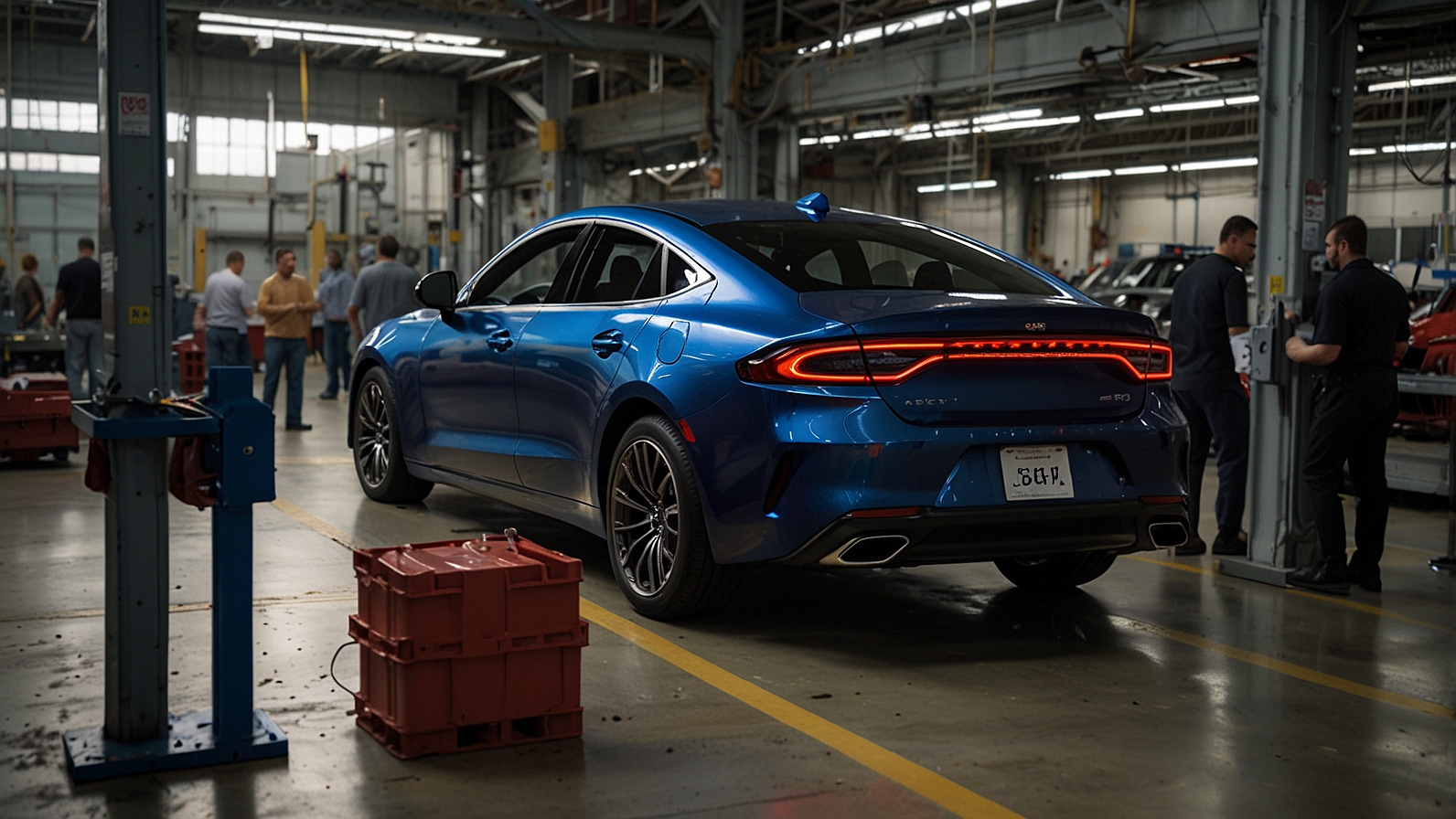
Hey there, car enthusiasts! If you’ve been keeping an eye on the news, you might’ve heard some buzz about the US considering new tariffs on imported auto parts. This isn’t just some abstract policy talk—it could hit your wallet when you’re shopping for your next ride or even getting your current car fixed. Let’s break it down in plain English and figure out what this means for you, whether you’re eyeing a shiny new sedan or just trying to keep your trusty old pickup running.
What’s the Deal with These Tariffs?
So, here’s the gist: the US government is thinking about slapping a 25% tariff on auto parts coming from other countries. This comes on the heels of a similar tariff on imported vehicles that’s already in place, which started back in April 2025. The auto parts tariff, if it goes through, is expected to kick in no later than May 3, 2025. The goal? Boost American manufacturing by making foreign parts more expensive, encouraging companies to make stuff here instead. Sounds straightforward, but it’s not that simple when you dig into it.
The auto industry is a global web. Even cars built in the US often use parts from places like Mexico, Canada, or China. Think engines, transmissions, or even smaller bits like electrical components. These tariffs would raise the cost of those imported parts, and that’s where things start to ripple out to consumers like us.
Why Car Prices Could Climb
Here’s the part that matters most: these tariffs are likely to make cars more expensive. How much? Well, estimates vary, but analysts are tossing out numbers like $5,000 to $10,000 extra for the average new car. That’s not pocket change! Even if you’re not buying a fully imported car, many “American-made” vehicles rely on foreign parts, so the price hike could still hit you.

Let’s say you’re looking at a Ford F-150, one of the most American trucks out there. It’s built in the US, sure, but it might have a transmission from Mexico or electronics from Asia. If those parts get hit with a 25% tariff, Ford’s costs go up. And guess what? Companies don’t usually eat those costs—they pass them on to buyers. Some brands might try to absorb a bit of the hit to stay competitive, but don’t count on it. Industry folks, like Erin Keating from Cox Automotive, have said these tariffs are “inflationary,” meaning they drive up costs across the board.
Used cars aren’t totally safe either. If you’re shopping for a pre-owned ride, you won’t pay tariffs directly, but the used market often reflects new car prices. If new cars get pricier, dealers might jack up used car prices to match. Plus, if the car you’re eyeing was originally sold new with tariff-inflated parts, that cost could already be baked into the price tag.
Repairs Could Sting More, Too
It’s not just about buying a car—maintaining one could get pricier as well. Those imported parts, like engines or powertrain components, are used in repairs, too. If a 25% tariff makes them more expensive, your local mechanic’s bill could creep up. Analysts at Insurify even predict car insurance premiums might jump by about 19%, hitting around $2,759 a year, because repairs will cost more. So, whether you’re fixing a fender bender or replacing a worn-out transmission, expect to feel a pinch.
Which Brands Will Feel the Heat?
Not every car brand will be hit the same way. Companies like Toyota, Honda, or BMW, which rely heavily on imported vehicles or parts, could face bigger challenges than, say, General Motors or Ford, which have more US-based production. But even domestic brands aren’t immune since they source parts globally. For example, a Toyota exec recently said the company could lose nearly $9.5 billion because of these tariffs. Ouch.
On the flip side, cars assembled entirely in the US with mostly domestic parts—like some models from Tesla or Chrysler—might dodge the worst of it. But here’s the catch: “mostly domestic” is rare. The auto supply chain is so interconnected that even “American” cars often have foreign DNA.
The Bigger Picture
These tariffs are part of a broader push to bring manufacturing back to the US, which could create jobs and strengthen the economy in the long run. President Trump has called it a way to “spur growth” and reduce reliance on countries like China. The White House estimates these tariffs could bring in $100 billion a year. But there’s a trade-off. Higher prices could mean fewer people can afford new cars, potentially slowing sales. Cox Automotive’s Jonathan Smoke warned that by mid-April, we could see “disruptions” in the market, with tighter supply and higher prices for both new and used cars.
There’s also the global angle. Countries like Canada and Mexico, which supply a ton of parts under the USMCA trade agreement, might get some exemptions, but the details are still fuzzy. Meanwhile, other nations could retaliate with their own tariffs, making things even messier.
What Can You Do?
So, what’s a car buyer to do? First, don’t panic. Prices haven’t skyrocketed yet, and some manufacturers might hold off on big hikes to stay competitive. If you’re in the market for a new car, consider models with more US-made parts to potentially sidestep some of the tariff impact. Sites like TrueCar or Autotrader can help you research where your dream car’s parts come from.
If you’re thinking about buying soon, it might be worth acting before the parts tariffs fully kick in by May. Dealerships could start adjusting prices in anticipation, so locking in a deal now could save you some cash. For repairs, ask your mechanic about using aftermarket or US-made parts to keep costs down.
Final Thoughts
These proposed tariffs on auto parts are a big deal for anyone who drives or dreams of driving. They’re designed to boost American manufacturing, but they could make buying and maintaining a car more expensive in the short term. Whether you’re cruising in a brand-new SUV or keeping your old hatchback alive, it’s worth keeping an eye on how this plays out. Stay informed, shop smart, and maybe hold off on that impulse buy until the dust settles.
What do you think? Are you worried about these tariffs hitting your car budget, or do you think they’re a fair trade for boosting US jobs? Drop a comment below and let’s talk about it