

Close Menu
  • Automotive Stocks
  • Defense & Aerospace
  • Industrial
  • ETFs
  • News
What's Hot

FSLY Stock Is Up 127% in a Year — So Why Are Investors Still Nervous?

May 28, 2026

IonQ’s $1.8 Billion Bet: How a Quantum Underdog Is Trying to Outbuild Everyone

May 27, 2026

Why the Fed Holding Rates Steady Is More Important to Auto Industry Financing Than to Almost Any Other Sector

May 27, 2026
  • Contact Us
  • Privacy Policy
  • About Primary Ignition
  • Terms & Conditions
  • Disclaimer
  • Automotive Stocks
  • Defense & Aerospace
  • Industrial
  • ETFs
  • News
Home » Massive Recall: Stellantis Pulls 53,000 Vehicles in US Over Fuel Pump Issue
News

Massive Recall: Stellantis Pulls 53,000 Vehicles in US Over Fuel Pump Issue

David ChenBy David ChenSeptember 17, 2025Updated:September 17, 2025No Comments4 Mins Read
Share Facebook Twitter Pinterest LinkedIn Tumblr Reddit Telegram Email
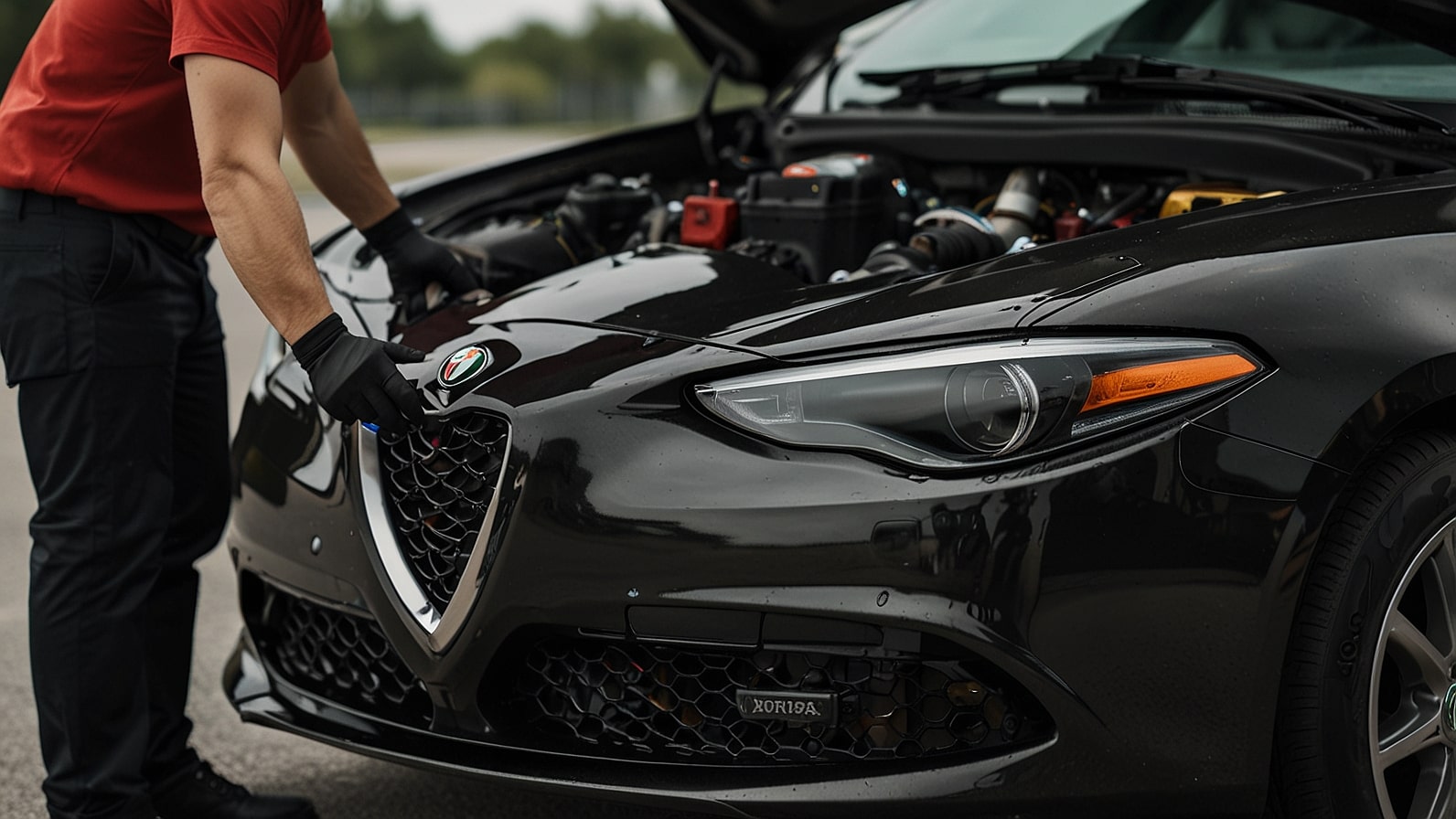
Mechanic examining fuel pump in 2018 Alfa Romeo Giulia engine during Stellantis recall for 53,000 vehicles in the US, addressing safety concerns from defective fuel pump systems.
A mechanic inspects the fuel pump system of an Alfa Romeo Giulia, part of Stellantis’ 2025 recall of 53,849 vehicles in the US due to potential safety risks from heat-related failures.
Share
Facebook Twitter LinkedIn Pinterest Email

A recall in the United States of more than 53,000 vehicles (Chrysler, Jeep, and Alfa Romeo) was announced on September 16, 2025, by the National Highway Traffic Safety Administration (NHTSA) and is the brainchild of Stellantis, the company behind the three brands.

This colossal recall is a major flaw in fuel pumps, which may leave the vehicle engine idle or worse, cause accidents. This news has elicited a lot of concern among both the owners of Alfa Romeo and those monitoring the industry. With Stellantis scrambling to fix the problem, this is all you need to know about this developing crisis and its effect on the road.

What’s Behind the Recall?

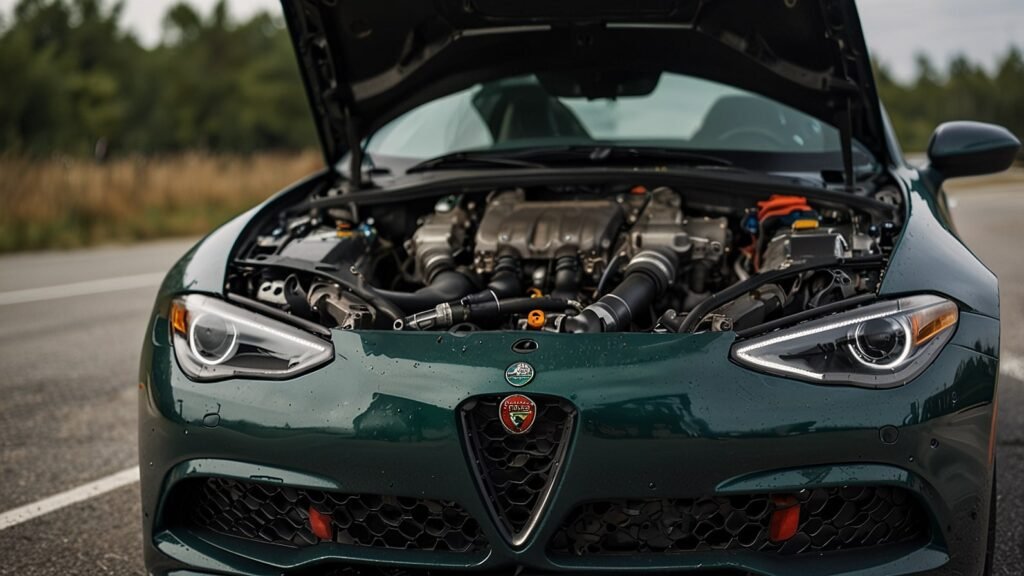
Recalling 53,849 Alfa Romeo models, namely 2017-2018 Giulia sedans and 2018-2019 Stelvio SUVs, with their stylish design and high-performance features. The problem is with the fuel pump system, whereby the parts might break down because of overheating. Extensive heating stress has the potential to damage vital components, thus interrupting the supply of fuel to the engine.

This defect was detected during internal tests and customer complaints, which forced Stellantis to make timely and joint efforts with NHTSA to avoid possible accidents. Although no significant events have been reported to be caused by this flaw so far, the threat is still high enough to be taken as an urgent measure.

Fuel Pump Susceptibility

The susceptibility of the fuel pump lies in its materials or design tolerance, which cannot withstand hot temperatures, typical in performance driving or in hot climates. A malfunction may stop the flow of fuel, crippling the vehicle’s ability to accelerate or even maintain speed. For Alfa Romeo’s luxury reputation, this casts doubt on its reliability and precision engineering.
Why It is a Safety Nightmare

A defective fuel pump is not just a nuisance but a major safety risk. In case the pump goes wrong, the car may suddenly stop moving despite being on the highway. NHTSA cautions that such an abrupt loss of power puts drivers at considerable risk of crashes, especially during overtaking manoeuvres or in heavy traffic.

Beyond crashes, a stalled vehicle may leave motorists stranded in unsafe conditions, such as on remote roads or in extreme weather. Owners are encouraged to watch for warning signs such as stuttering engines or dashboard alerts.

What Should Owners Do?

Stellantis is developing a remedy that will likely involve fuel pump replacements or a software update to alleviate overheating issues. Official notification letters will be sent to owners on or before October 29, 2025, with instructions for free repairs at Alfa Romeo dealerships.

Meanwhile, owners should check their Vehicle Identification Number (VIN) on the NHTSA website and call Stellantis Customer Service at 800-853-1403 (recall number 93C) for urgent issues. Drivers are advised to avoid aggressive driving in hot weather until repairs are made and to stop driving if the vehicle shows unusual behaviour.

The Rocky Recall Record of Stellantis

This is not the first recall for Stellantis in 2025. Only weeks earlier, the company recalled 92,000 Jeep Grand Cherokees for unrelated issues, and NHTSA recently began investigating 287,000 Chrysler Pacifica minivans over power steering failures.

Stellantis, formed from the 2021 merger of Fiat Chrysler and PSA Group, has often faced criticism for frequent recalls. However, the company insists that voluntary recalls demonstrate its commitment to safety. While Stellantis’ stock dipped slightly following this news, analysts argue that addressing issues transparently can help build long-term trust.

The Bigger Picture for Car Owners

This recall highlights a broader challenge in the automotive industry: balancing innovation with reliability. Modern engines with complex high-pressure fuel systems are more prone to environmental stress. Other automakers, including Ford and Toyota, have also faced similar fuel pump issues, underscoring the industry-wide need for more robust components.

With electric vehicles gaining traction, many traditional fuel-related problems may eventually disappear. However, until then, recalls like this one emphasise the need for strict safety measures and durable engineering.

Why This Matters Now

The Stellantis recall comes at a time when consumer confidence in automotive safety is under scrutiny. Even premium brands like Alfa Romeo are not immune to critical defects. While Stellantis and NHTSA act quickly to mitigate risks, owners must also take responsibility by following recall instructions promptly.

This is not just about Alfa Romeo models—it’s about protecting lives on the road. Owners of 2017–2019 Giulia and Stelvio models should act now by checking their VINs and scheduling repairs once available. Safety, after all, should always come first.

Share. Facebook Twitter Pinterest LinkedIn Tumblr Email
Previous ArticleHonda WN7 Electric Motorcycle: Features, Mileage, Price & Launch Date
Next Article US Mulls New Tariffs on Imported Auto Parts – Here’s What It Means for Car Prices
David Chen
David Chen

David Chen is an automotive and mobility markets writer at Primary Ignition, focused on the financial side of how the world builds and buys vehicles. His coverage centers on electric vehicles and the global EV competition, including BYD's vertical integration, Chinese automakers scaling abroad, and the legacy OEMs adapting to them. He also digs into the financing layer that rarely makes headlines but moves the numbers: auto-loan structures, the EV lease revival, and how Fed rate decisions ripple through dealer floors and automaker balance sheets. His work extends to emerging mobility, from eVTOL timelines to AI-driven mobility finance. David writes for readers who want the investment story underneath the product story, the reason a factory tour or a leasing promotion actually matters to a stock. His coverage spans automotive stocks, e-mobility, earnings, and market commentary.

Related Posts

Electric Vehicles

The BYD Vertical Integration Premium: Why the EV King is Still Rated a Wall Street “Strong Buy”

May 27, 2026
Automotive & E-Mobility

Behind the Tariff Whiplash: Calculating the True Cost of Banning Chinese Autos from the U.S.

May 24, 2026
Automotive & E-Mobility

How the Rise of Chinese Auto Brands in Southeast Asia Is Creating a Financing Vacuum That Global Banks Are Racing to Fill

May 22, 2026
Add A Comment
Leave A Reply Cancel Reply

Dividends

FSLY Stock Is Up 127% in a Year — So Why Are Investors Still Nervous?

Sarah MitchellMay 28, 2026

If you look at a chart of Fastly’s stock long enough, it nearly resembles a…

IonQ’s $1.8 Billion Bet: How a Quantum Underdog Is Trying to Outbuild Everyone

May 27, 2026

Why the Fed Holding Rates Steady Is More Important to Auto Industry Financing Than to Almost Any Other Sector

May 27, 2026

The BYD Vertical Integration Premium: Why the EV King is Still Rated a Wall Street “Strong Buy”

May 27, 2026

Why Warren Buffett Was Right About Airline Stocks — Until He Wasn’t — and What His Original Logic Teaches You Now

May 26, 2026
Our Picks

FSLY Stock Is Up 127% in a Year — So Why Are Investors Still Nervous?

May 28, 2026

IonQ’s $1.8 Billion Bet: How a Quantum Underdog Is Trying to Outbuild Everyone

May 27, 2026

Why the Fed Holding Rates Steady Is More Important to Auto Industry Financing Than to Almost Any Other Sector

May 27, 2026
ABOUT PRIMARY IGNITION

Primary Ignition is your trusted source for automotive, defense, and industrial stock news. We deliver real-time analysis, market insights, and expert commentary to help you navigate the dynamic world of equity news.
Primary Ignition Media

QUICK LINKS
  • Home
  • Automotive & E-Mobility
  • Defense & Aerospace
  • ETFs
TOP CATEGORIES
  • Automotive & E-Mobility
  • Electric Vehicles
  • ETFs
  • Industrial
  • Tech & Software
INVESTMENT DISCALIMER

Investment Warning: All information provided on Primary Ignition is for educational and informational purposes only. Stock markets involve substantial risk of loss and are not suitable for every investor. Past performance is not indicative of future results. Always conduct your own research and consult with licensed financial advisors before making investment decisions. We do not provide investment advice, and no content should be considered as such.

  • Imprint
  • Privacy Policy
  • Terms of Service
  • Editorial Standards
© 2026 Primary Ignition Media. All rights reserved.

Type above and press Enter to search. Press Esc to cancel.